F1 Monaco Grand Prix Betting: Why the Principality Demands a Different Playbook
 Available in US
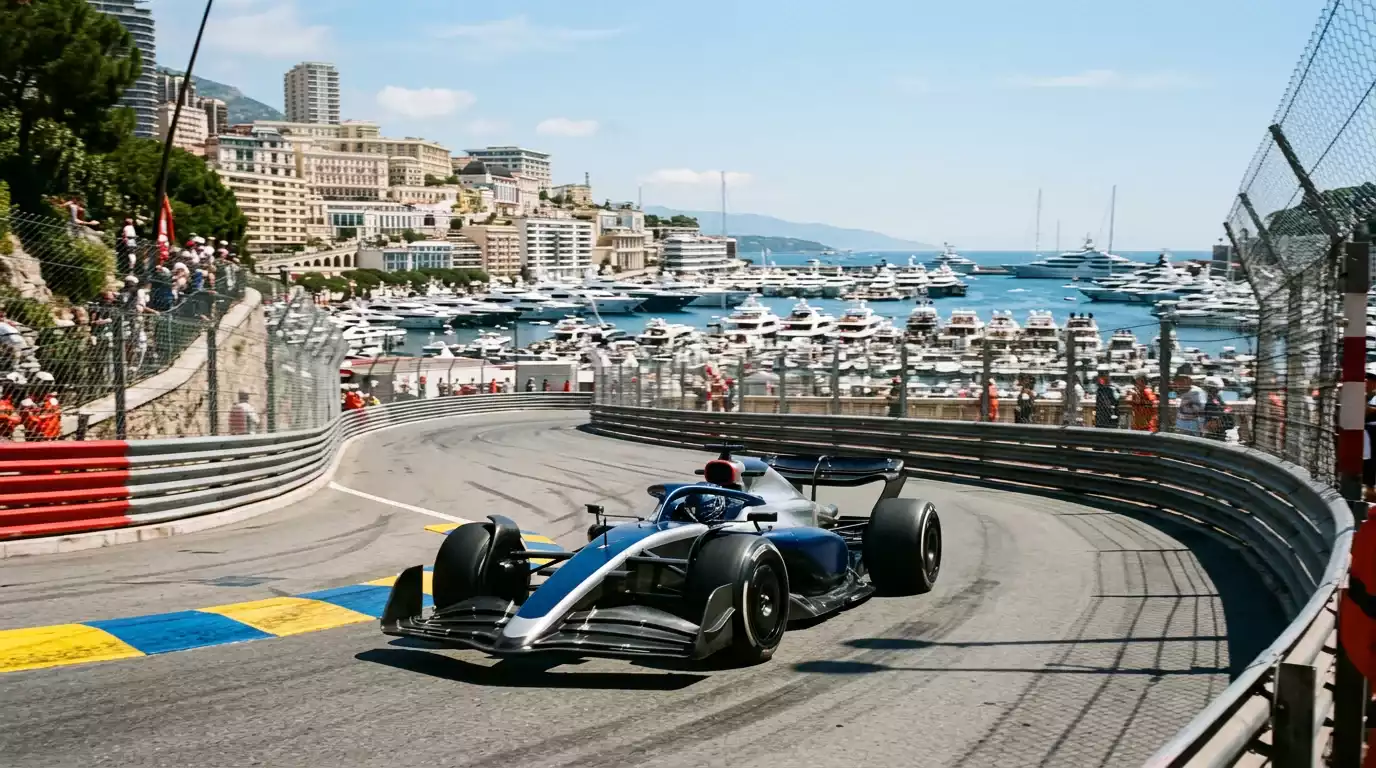
Monaco is the race where everything I normally rely on stops working. Practice pace becomes unreliable because teams cannot run full fuel loads on narrow streets. Race strategy options collapse because overtaking is nearly impossible. And the safety car probability is high enough that any pre-race position can be scrambled before half distance. I have lost more money per bet at Monaco than at any other circuit on the calendar, and it took me four seasons to accept that the problem was not my analysis – it was applying the wrong analytical framework to a race that follows its own rules.
Why Qualifying Decides the Race Before It Starts
At most circuits, qualifying position predicts the race result somewhere between 40% and 60% of the time. At Monaco, the correlation approaches 85%. The street layout is so narrow that a faster car behind a slower car simply cannot pass without a significant pace delta – typically 1.5 to 2 seconds per lap, a margin that barely exists between adjacent grid positions in the modern era. DRS provides minimal benefit because the only activation zone runs along the pit straight, and the following corner is too slow for the slipstream advantage to survive through the braking zone.
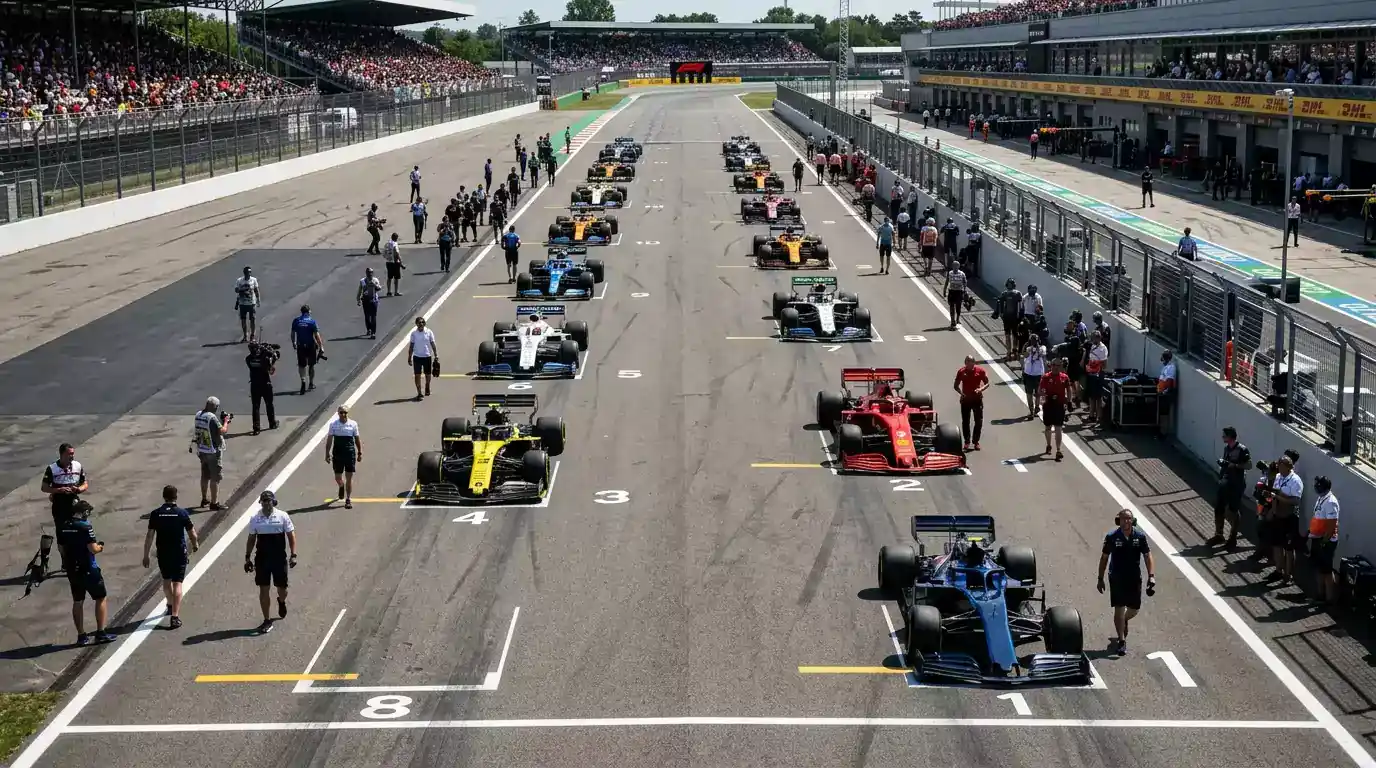
This dynamic collapses the race winner market into a qualifying prediction exercise. The driver who takes pole position at Monaco wins the race roughly 65% of the time over the last decade, compared to about 48% across all circuits. For betting purposes, this means the value in the race winner market is almost entirely determined by whether the qualifying result produces a mispriced race favourite. If the pole-sitter is a clear championship contender priced at 1.50, there is no edge. If a midfield team nails a surprising pole – as has happened at Monaco with changing conditions – the pricing lag between qualifying and race creates a window.
I now treat Monaco qualifying as the primary betting event and the race as a subsidiary settlement mechanism. My race winner bet goes on after qualifying, not before, because the pre-qualifying market carries too much uncertainty to price accurately at a circuit where grid position matters this much.
The Safety Car Paradox at Monaco
Monaco’s tight barriers and unforgiving walls produce safety car rates well above the season average. Over the last five seasons, Monaco has averaged 1.6 safety car deployments per race, and three of those five races featured at least one red flag period. Yet despite the frequency of caution periods, the safety car paradox at Monaco is that it shuffles the midfield without meaningfully threatening the leader.
Here is why. A safety car bunches the field, but at Monaco the restart still funnels through the same narrow sections where overtaking is impossible. The leader retains their track position advantage unless they make a critical pit-stop timing error during the caution period. The real beneficiaries of Monaco safety cars are drivers in the P4-P8 range who gain by getting closer to the cars ahead without needing to overtake on track – and then sometimes benefiting from a leader error on cold tyres at the restart.
For betting, this means safety car-adjusted podium bets at Monaco work differently from other circuits. At most tracks, a safety car meaningfully improves a P6 driver’s podium chances. At Monaco, it improves them only marginally because they still cannot overtake their way into the top three. The value instead sits in top-six or points finish markets, where the safety car’s field-compression effect translates more directly into improved finishing positions for the lower end of the points-paying places.
Tyre Strategy at a Circuit That Barely Uses Them
Tyre degradation at Monaco is among the lowest on the calendar because low speeds generate less thermal and mechanical stress on the compounds. The practical consequence is that Monaco is almost always a one-stop race, and the timing of that single stop matters far less than at high-degradation circuits. When everyone runs the same strategy, the strategic levers that create overtaking opportunities at other circuits – undercuts, overcuts, compound offsets – simply do not exist in meaningful form.
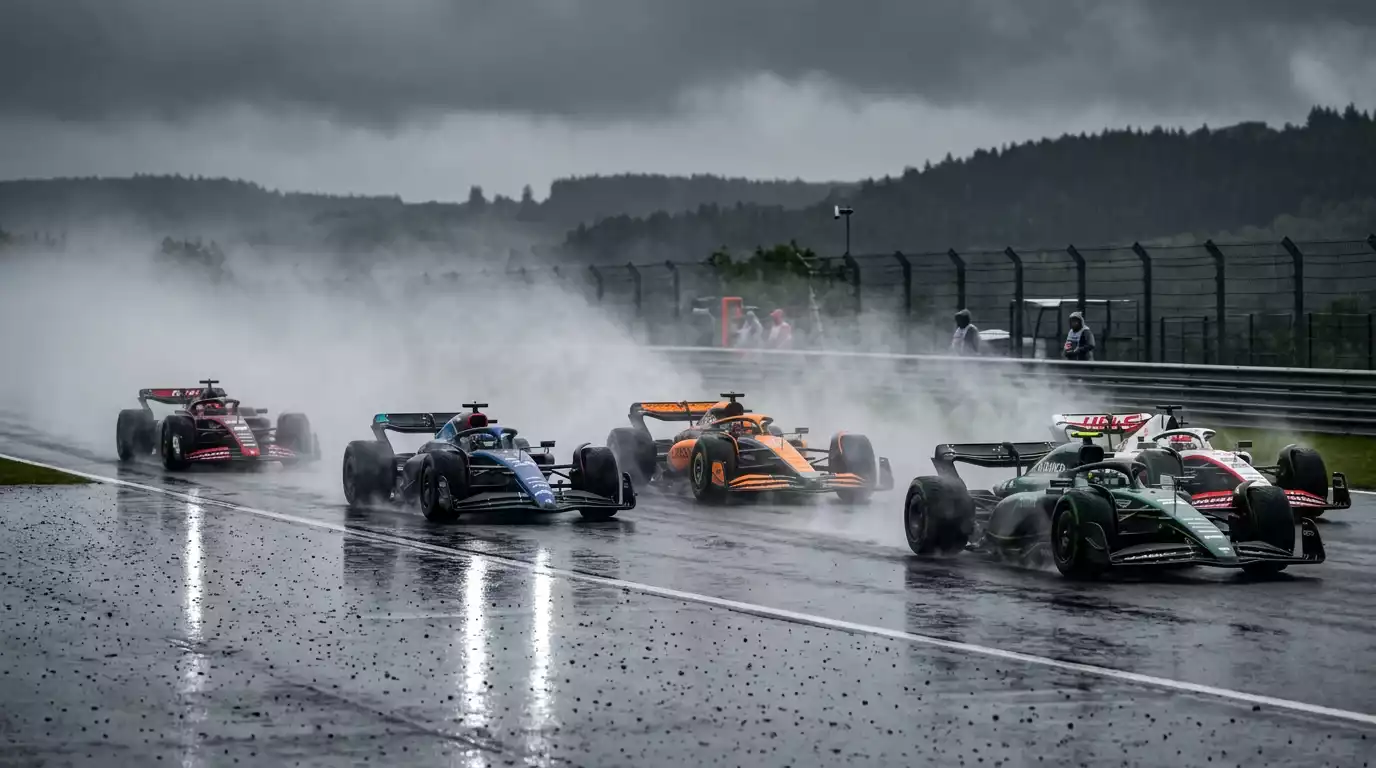
The exception is weather. A rain-affected Monaco Grand Prix introduces tyre strategy chaos because the crossover between wet, intermediate, and dry compounds on a street circuit with varying surface conditions (tunnel shade versus harbour sunlight) is almost impossible to optimise. The 2023 race demonstrated this perfectly – a brief rain shower mid-race created a strategy scramble that reshuffled the entire top ten and produced a result that no dry-weather model would have predicted.
Checking the Thursday and Friday weather forecast before the weekend is more important at Monaco than at any other circuit. If rain is forecast for Sunday, the entire pricing structure changes. The favourite’s odds should lengthen, the midfield’s odds should shorten, and the safety car probability rises further. I adjust my staking at Monaco based on rain probability: dry forecasts get smaller positions because the race is more predictable and the market is more efficient; wet forecasts get larger positions because the pricing becomes less reliable and the edges become wider.
Markets That Actually Work at Monaco
Race winner and podium markets at a dry Monaco are among the hardest to beat because the market has decades of data confirming that qualifying order dictates finishing order. The markets where I find consistent value are subtler: qualifying-specific bets (which sector a driver will be fastest in, or the gap between teammates in Q3), total classified finishers under the season average, and prop bets on safety car occurrence.
The classified finishers market is particularly attractive at Monaco. The season average sits around 17.8, but Monaco typically delivers 16 to 17 classified finishers because the barriers are unforgiving and even minor contact can end a race. An under 17.5 classified finishers bet has landed in four of the last six Monaco races, and the odds on that outcome have hovered around evens – reasonable pricing that reflects the historical pattern without fully accounting for the specific barrier risk at this circuit.
F1’s global fanbase of 827 million ensures that Monaco generates enormous betting volume relative to other races, per F1’s own data. That volume concentrates in the race winner market, leaving less popular markets like classified finishers and qualifying props with thinner liquidity and wider pricing inefficiencies. The casual money flows into the obvious market; the analytical edge lives in the peripheral ones.
Historical Angles and the Glamour Premium
Monaco carries a glamour premium in its odds that reflects its cultural significance rather than its competitive characteristics. Certain drivers are consistently overpriced at Monaco because the media narrative positions them as Monaco specialists or because they had one memorable result years ago. This narrative pricing inflates odds on flashy names and compresses odds on steady performers who consistently finish where they qualify without drama.
I track what I call the Monaco narrative discount – the gap between a driver’s odds at Monaco and their odds at a comparable low-overtaking circuit like Hungary. When a driver’s Monaco odds are 20% shorter than their Hungary odds despite similar circuit characteristics, the glamour premium is inflating their price. Laying that driver or backing their less glamorous competitors captures the narrative premium that has nothing to do with the racing itself.
The Betway partnership announced in 2026 as F1’s first official betting operator will likely increase the visibility of Monaco betting markets further, driving more casual volume into headline odds and potentially widening the gap between glamour-influenced pricing and analytically fair pricing. More volume from casual punters is always good news for analytical ones – the more noise in the market, the easier it is to find signal.
Applying the Monaco Playbook to Other Low-Overtaking Circuits
Monaco is unique, but it is not entirely alone. Hungary, Singapore, and Zandvoort share some of Monaco’s characteristics, narrow racing lines, limited overtaking zones, and elevated qualifying importance. The lessons from Monaco apply in diluted form at these circuits: increase qualifying market exposure, reduce race winner confidence in pre-qualifying pricing, and pay closer attention to weather forecasts as the primary randomising factor.
The degree of dilution matters. Hungary allows more overtaking than Monaco but less than Barcelona. Singapore combines Monaco-like narrowness with night race conditions that add their own variables. Zandvoort’s banking in Turn 3 creates a passing opportunity that Monaco entirely lacks. Calibrating how much of the Monaco playbook applies at each similar circuit is an ongoing process that I refine every season based on updated overtaking data and race outcome distributions.
After nine seasons, my Monaco approach has evolved from frustration to acceptance to genuine appreciation for the analytical challenge it presents. It is the one race per year where the punter who throws away their normal model and builds a bespoke one for a single weekend gains the largest structural edge. That willingness to adapt, rather than forcing a universal framework onto every circuit, separates profitable F1 betting from the mediocre kind.
Why is qualifying so important for Monaco Grand Prix betting?
Monaco’s narrow street layout makes overtaking nearly impossible without a pace advantage of 1.5-2 seconds per lap. The pole-sitter wins approximately 65% of the time, compared to about 48% across all circuits. This means the race winner market is largely determined by qualifying results.
Does rain affect Monaco Grand Prix betting differently than other races?
Rain transforms Monaco more dramatically than almost any other circuit. The mix of tunnel shade, harbour sunlight, and narrow barriers creates highly unpredictable tyre strategy decisions. Wet Monaco races produce significantly more randomised results, making outsider and safety car bets more valuable while reducing the qualifying position premium.
Written by the editors at f1 Betting Guide.