F1 Grid Penalty Betting: Engine Penalties, Reprimands and How Demotions Create Value
 Available in US
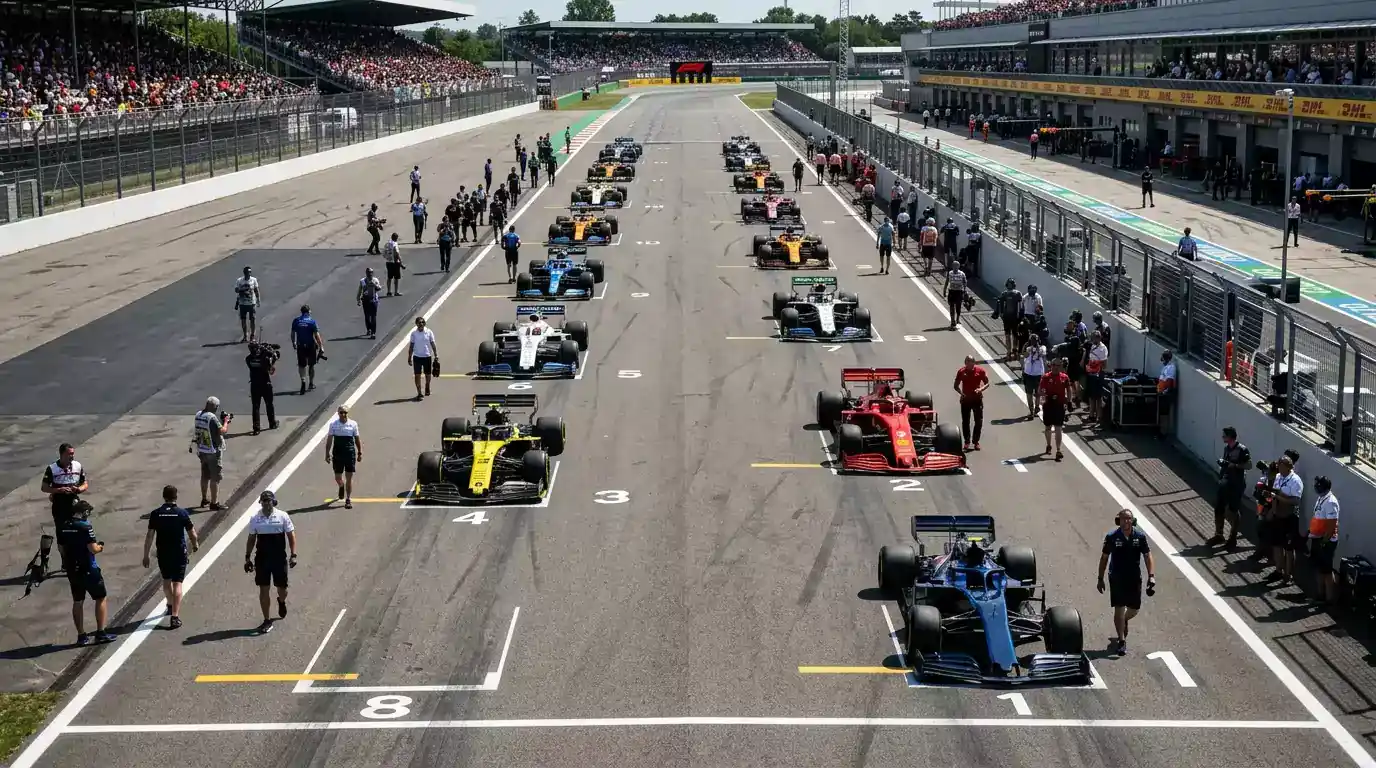
I have a rule that has made me money every season since 2020: when a front-running driver takes a grid penalty, bet on them for a podium finish. The logic is counterintuitive until you examine the data. A driver who qualifies second but starts fifteenth due to an engine penalty still has a car fast enough to run second. They have lost grid position but not pace. The race is long enough – 305 kilometres, roughly 55 to 70 laps – for a genuinely fast car to carve through the field from the midpack to the podium. The odds at the penalised starting position wildly overstate the difficulty of that task. See also: f1 betting guide for all pre-race market angles.
Types of Grid Penalties and Their Betting Impact
Grid penalties in F1 come from multiple sources and each type carries different implications for bettors. Power unit component changes are the most common and most predictable. Each driver is allocated a limited number of engine components per season – internal combustion engines, turbochargers, energy recovery systems, control electronics. Exceeding those allocations triggers automatic grid penalties: ten places for exceeding the limit on a single component, or a back-of-grid start for exceeding on multiple components simultaneously.
These penalties are strategically timed. Teams do not take engine penalties randomly – they schedule them at circuits where overtaking is easiest, minimising the race impact. High-power circuits with long straights and multiple DRS zones – Spa, Monza, Jeddah – are the preferred venues for taking penalties because the fast car can slice through slower traffic on the straights. When a team announces a power unit change at one of these circuits, the penalty’s impact on finishing position is substantially less than the raw grid demotion suggests.
Gearbox penalties – five places for an unscheduled gearbox change – are less severe but less predictable. Unlike engine changes, which teams plan in advance, gearbox issues often arise from race incidents or mechanical failures the previous weekend. A driver who crashes on Sunday and needs a new gearbox for the following race takes a five-place penalty that they did not expect and the market did not anticipate. These unplanned penalties create pricing opportunities because the odds adjust quickly but imperfectly.
Recovery Rates from Grid Penalties
The key question for any grid penalty bet is: how many positions will the penalised driver recover? I have built a database of every grid penalty taken since 2019, tracking the starting position, the finishing position, and the number of positions gained during the race. The average recovery for a top-three team taking a back-of-grid penalty at a high-overtaking circuit is twelve to fifteen positions. At a low-overtaking circuit like Monaco or Hungary, recovery drops to five to eight positions.
That recovery rate means a driver who qualifies on pole but starts twentieth at Spa can realistically finish between fifth and eighth – well inside the points and plausibly on the podium if safety cars or retirements thin the field ahead. The podium price for that driver, starting twentieth, is usually 8/1 or longer. My model puts their true podium probability at around 20-25% at high-overtaking circuits, which means anything above 4/1 represents value. The gap between the market price and the model price is the edge, and it appears at almost every penalty event.
The F1 Global Fan Survey showed 90% of fans feel emotionally engaged, and grid penalties contribute to that engagement by creating underdog storylines that draw viewers and bettors alike. But the emotional narrative works against sharp betting: casual bettors see “starting twentieth” and assume the race is lost. The 37.4 million active UK gambling accounts include millions of casual punters whose instinct is to dismiss penalised drivers, which pushes the odds longer than they should be and creates the pricing gap I exploit.
Timing Your Penalty Bets
Grid penalty announcements follow a predictable schedule. Teams must declare engine component changes before first practice on Friday, but tactical gearbox and engine penalties are often announced on Thursday afternoon. The optimal betting window opens between the penalty announcement and FP1, before the market has fully digested the implications. If I know a front-runner is taking a penalty before the weekend begins, information that is usually available via team press releases or social media on Tuesday or Wednesday. I place my bet immediately, because the odds will shorten once the broader market reacts.
Post-qualifying is another critical moment. Qualifying reveals the penalised driver’s actual pace relative to the field. A driver who qualifies on pole then drops to twentieth still demonstrated pole-calibre speed. Their race odds will adjust after qualifying but usually not far enough, the market anchors to the starting grid position rather than the demonstrated qualifying pace. I compare the qualifying lap time delta between the penalised driver and the midfield to estimate their overtaking speed advantage, then calculate an expected recovery trajectory.
The Betfair Exchange saw over £200 million in F1 turnover during 2023, and penalty weekends generate noticeably higher exchange volumes because traders anticipate the penalised driver’s charge through the field and position accordingly. On exchanges, I sometimes back the penalised driver before qualifying and then lay them at shorter odds after qualifying confirms their pace advantage, locking in a guaranteed profit regardless of the race outcome. This bankroll-efficient approach works because the qualifying session acts as an information event that reliably shortens the odds.
When Grid Penalties Destroy Bets Instead of Creating Them
Not every grid penalty is a buying opportunity. At street circuits with minimal overtaking. Monaco is the extreme example, a back-of-grid start effectively ends a driver’s race as a competitive proposition. Recovery rates at Monaco average three to five positions from any starting spot, which means starting twentieth translates to finishing fifteenth or sixteenth. There is no value in backing a podium finish for a driver starting that far back at a circuit where overtaking is nearly impossible.
Similarly, when a grid penalty is accompanied by a car performance deficit, the recovery logic breaks down. If a team is taking an engine penalty because their power unit is fundamentally unreliable and their car lacks outright pace, the penalty is a symptom of deeper problems rather than a one-off setback. I distinguish between “planned penalties on a fast car”, which are buying opportunities, and “crisis penalties on a struggling car”, which are traps. The team’s overall season trajectory, their upgrade status, and their recent race pace relative to the grid determine which category applies.
Driver temperament matters too. Some drivers excel at charging through traffic, they are aggressive on the brakes, decisive on overtakes, and willing to take risks that others avoid. Other drivers are more methodical and lose time behind slower cars because they wait for cleaner opportunities. I weight my penalty-recovery model by driver aggression: a driver known for spectacular first laps and bold overtakes recovers more positions from a grid penalty than a driver who prefers controlled, patient racing. See also: trade your positions on F1 betting exchanges for better flexibility.
How do engine penalties affect F1 grid positions?
Exceeding the seasonal allocation for a single power unit component triggers a ten-place grid penalty. Multiple component changes result in a back-of-grid start. Teams strategically time these penalties at high-overtaking circuits like Spa and Monza to minimise race impact, which means the grid demotion overstates the actual finishing position loss for front-running cars.
Are grid-penalised drivers worth backing for podium finishes?
At circuits with long straights and multiple DRS zones, top-team drivers starting from the back typically recover twelve to fifteen positions. This means a driver who qualifies on pole but starts twentieth can realistically finish fifth to eighth, with podium potential if safety cars or retirements help. The odds for penalised drivers usually overstate the difficulty of recovery, creating consistent value at high-overtaking venues.
Created by the ”f1 Betting Guide” editorial team.