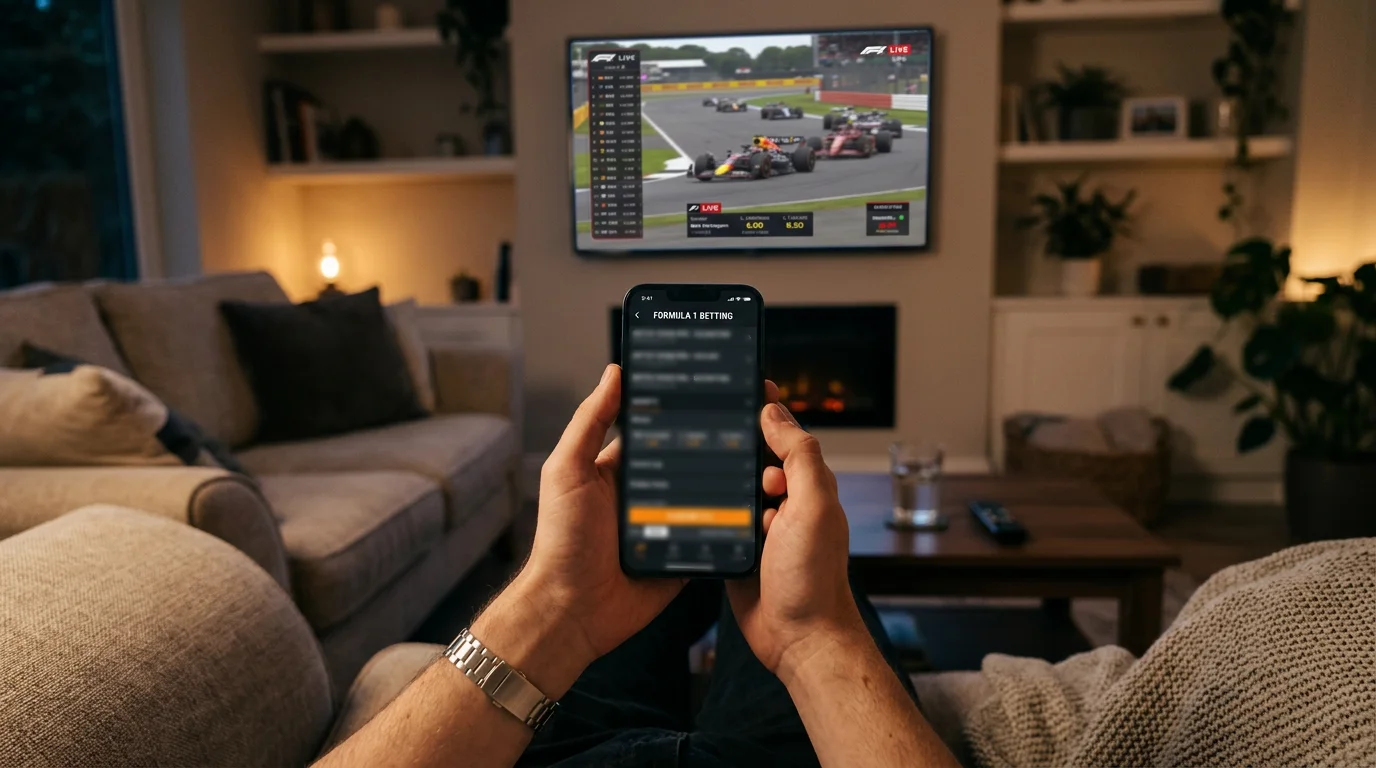
F1 Fastest Lap Betting: Who Gets the Extra Point and How to Price It
 Available in US
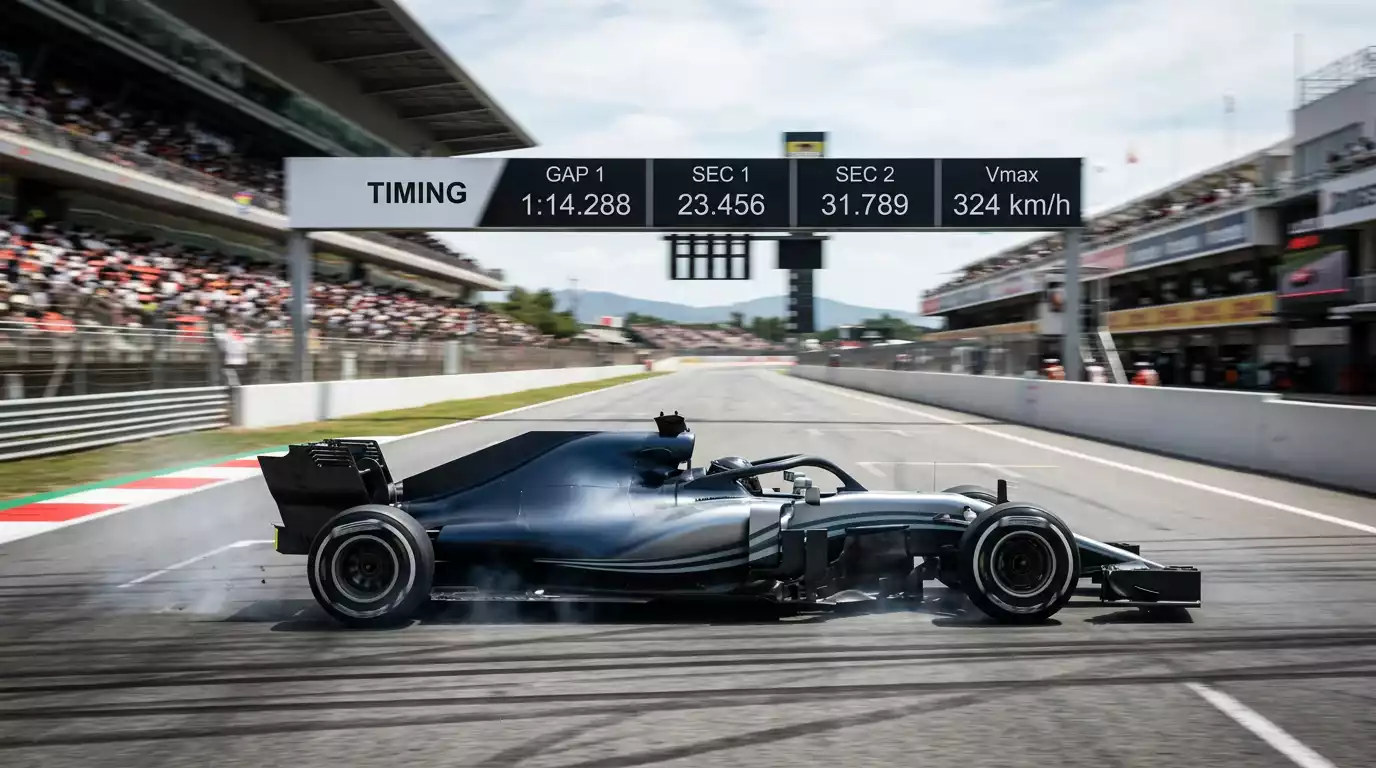
The fastest lap bonus point was reintroduced in 2019, and it took the betting market three full seasons to work out how to price it. I was early to the pattern – not because I am smarter than the bookmakers, but because I was watching pit stop data for a different reason and stumbled onto the mechanic that drives fastest lap results. The secret is not about who has the fastest car. It is about who pits late for fresh soft tyres with a large enough gap to the car behind that the stop is “free.” Once I understood that, the fastest lap market became the single most predictable niche bet in F1. See also: f1 betting guide for all prop and specials markets.
The Late-Stop Mechanism
The championship point for fastest lap goes to whichever driver sets the quickest individual lap during the race – but only if they finish in the top ten. That top-ten requirement creates a specific dynamic: only drivers already running comfortably inside the points have the incentive and the freedom to pit late for fresh rubber and chase the extra point. A driver running eleventh gains nothing from fastest lap even if they set it, so teams in the lower half of the field rarely make the attempt.
The late-stop pattern works like this. A team with a comfortable gap – typically twelve seconds or more to the car behind – brings their driver in on the penultimate or final stint for a fresh set of soft tyres. The pit stop costs roughly 22-25 seconds depending on the circuit, but the gap to the car behind covers it. The driver exits the pits with brand-new softs, sets a purple lap on degradation-free rubber, and collects the point. The rival teams, either too close to the car behind to pit safely or lacking fresh softs, cannot respond.
Teams now build fastest lap strategy into their pre-race plans. The 2025 season saw 6.7 million fans attend races worldwide, and the television audience watched teams deploy this tactic at nearly every round. Recognising which team is positioned to execute the late stop – and betting on it before they pit – is the edge. The market prices fastest lap based on overall car pace and qualifying position, but the actual outcome depends on strategic position and tyre availability, which are different variables entirely.
Identifying the Fastest Lap Candidate
My process for selecting a fastest lap bet starts with the tyre allocation. Each driver receives thirteen sets of dry tyres for the weekend – a mix of softs, mediums and hards. By Saturday evening, after practice sessions and qualifying, some drivers have used most of their soft tyre sets while others have preserved one or two fresh sets. A driver with a fresh set of softs remaining after qualifying is a stronger fastest lap candidate than a driver who used all their softs in Q1, Q2 and Q3.
Next, I estimate the likely race gaps. If a driver is expected to run third, fifteen seconds behind second and fifteen seconds ahead of fourth, they have the strategic freedom to make a late stop without losing position. If a driver is expected to run third with only three seconds to fourth, a pit stop would drop them behind – making the fastest lap attempt too risky.
The strongest fastest lap candidate is usually the driver running in a “no man’s land” gap – too far from the car ahead to challenge for a higher position, too far ahead of the car behind to be threatened. Teams in this position have nothing to gain or lose strategically, so the free pit stop for fastest lap is a no-cost way to collect an extra point. I scan the live timing data during the race for these gaps, and when one opens beyond the pit lane time loss threshold, I place my fastest lap bet before the team makes the call.
Circuit-Specific Fastest Lap Patterns
Not all circuits produce fastest laps in the same way. At circuits with low tyre degradation. Monza, Spa, Silverstone, soft tyres retain performance for longer, which means a late-stop soft tyre delivers a bigger time advantage over rivals still running on worn compounds. The fastest lap at these circuits tends to come from a deliberate late pit stop, and the margin over the next-fastest lap is often half a second or more. Backing the late-stopper at these venues carries higher conviction.
At high-degradation circuits. Barcelona, Bahrain, Austin, the picture is messier. Multiple drivers pit late as part of their normal strategy, and the fastest lap can come from any of them depending on track position, fuel load and the specific lap they push hardest. Fastest lap bets at high-degradation circuits carry more variance, and I reduce my stake accordingly.
The Betfair Exchange processed over £200 million in F1 turnover in 2023, with fastest lap markets attracting growing interest as bettors recognise the tactical nature of the point. Exchange odds move rapidly in the final fifteen laps as the strategic picture becomes clear, the bet builder combinations that include fastest lap as one leg are increasingly popular but require timing the selection to avoid locking in a price before the late-stop candidate is identifiable.
Fastest Lap in the Championship Context
One extra point per race sounds trivial until you add them up. Over a 24-race season, a driver who collects fastest lap at half the rounds accumulates twelve additional points, enough to swing a close championship battle. The average F1 team valued at $3.42 billion has every financial incentive to chase those points, especially in the final third of the season when championship positions are tight and every point carries prize money implications.
Championship context changes fastest lap behaviour. In the opening races, teams treat the extra point as a bonus, nice to have but not worth compromising race position. As the season progresses and the standings tighten, teams become increasingly aggressive about pitting for fastest lap, sometimes sacrificing a few seconds of gap to the car behind in order to collect the point. The YouGov finding that 31% of motorsport bettors spend over £100 monthly reflects an audience that follows these strategic nuances, and the fastest lap market rewards bettors who track championship dynamics across the season rather than treating each race in isolation.
The final three races of any season are the peak window for fastest lap value, because teams fighting for championship positions will make aggressive strategic calls they would never make in round three. A team trailing by eight points might pit their lead driver for fresh tyres with five laps remaining even if it risks a position change, calculating that the fastest lap point is worth the gamble. Recognising when championship pressure overrides normal strategic conservatism is a skill that separates profitable fastest lap bettors from recreational ones. See also: compare driver form using our F1 head-to-head betting breakdown.
How is the F1 fastest lap point awarded?
The bonus championship point goes to whichever driver sets the quickest individual lap during the race, provided they finish in the top ten. This top-ten requirement means only drivers already secure inside the points typically attempt the fastest lap, usually through a late pit stop for fresh soft tyres timed to avoid losing track position.
What determines who sets the fastest lap in an F1 race?
The fastest lap is driven primarily by strategic position rather than outright car speed. The most common mechanism is a late pit stop for fresh soft tyres by a driver with a gap of twelve-plus seconds to the car behind. Tyre availability after qualifying, circuit degradation characteristics and championship context all influence which team attempts the fastest lap and when.
Prepared by the f1 Betting Guide editorial staff.