British Grand Prix Betting: Silverstone Odds, Track Data and Angles
 Available in US
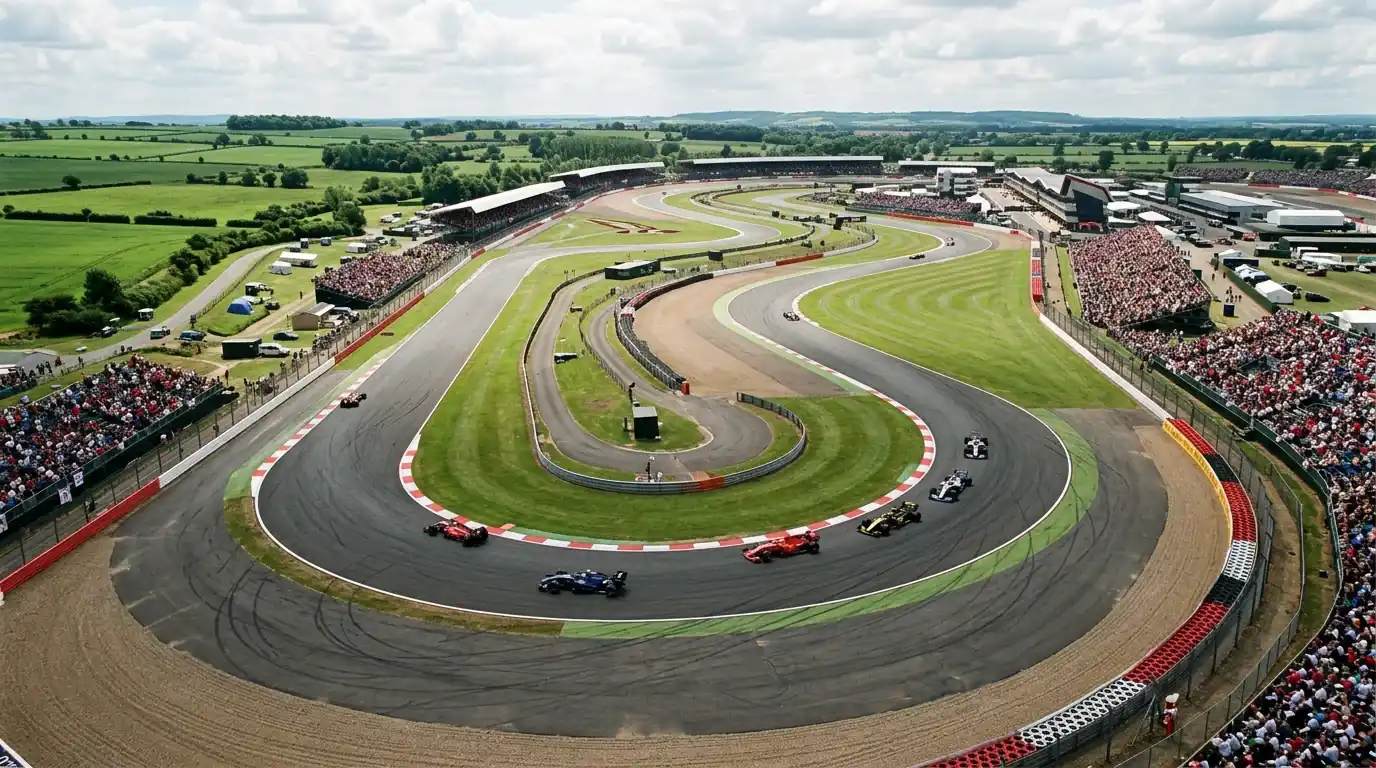
Half a million people packed Silverstone across the 2025 race weekend, according to the F1 Season Review – the highest single-event attendance of the entire season. I have attended the British Grand Prix seven times in the past nine years, and the atmosphere is unlike anything else on the calendar. But the betting landscape at Silverstone is just as distinctive as the crowd. This is a circuit that rewards specific car characteristics, punishes others, and produces weather-driven chaos more often than any other European round. If you are going to bet on one race all season, this is the one where preparation pays the most. See also: f1 betting guide for previews of every Grand Prix on the calendar.
Silverstone Track Profile for Bettors
Every circuit I analyse gets classified into one of three categories: power circuit, downforce circuit, or balanced. Silverstone sits firmly in the balanced-to-downforce category, but with a twist that makes it unique – it demands both high-speed cornering ability and strong traction out of slow corners, and the wind exposure across the Northamptonshire countryside adds an aerodynamic variable that most other circuits do not.
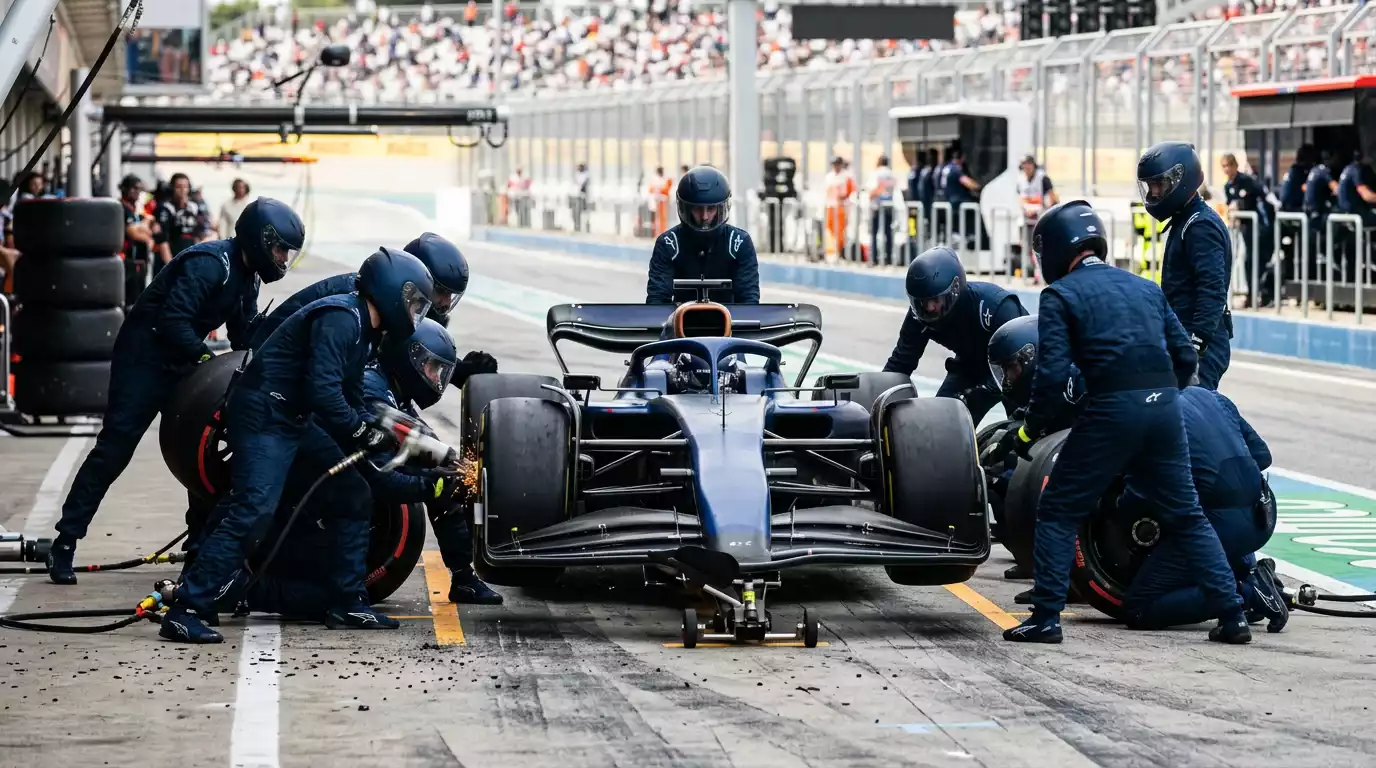
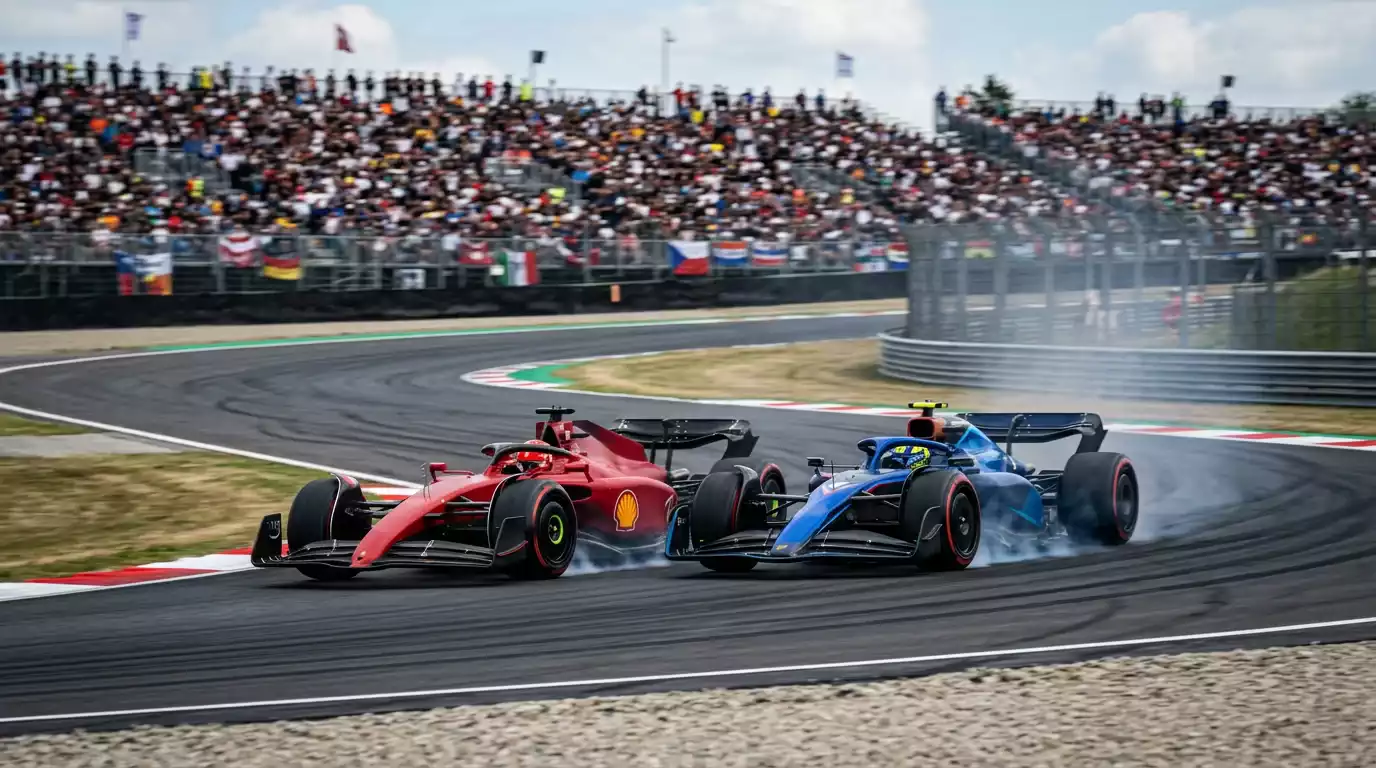
The Maggotts-Becketts-Chapel complex is the defining sequence. These high-speed direction changes separate cars with genuine aerodynamic downforce from those faking it with mechanical grip. A team that has optimised its car for this section gains cumulative time across an entire race distance. When you see a car pulling two or three tenths through Becketts in practice, that advantage compounds over 52 laps – roughly ten to fifteen seconds over the race, which is enough to cover a pit stop delta.
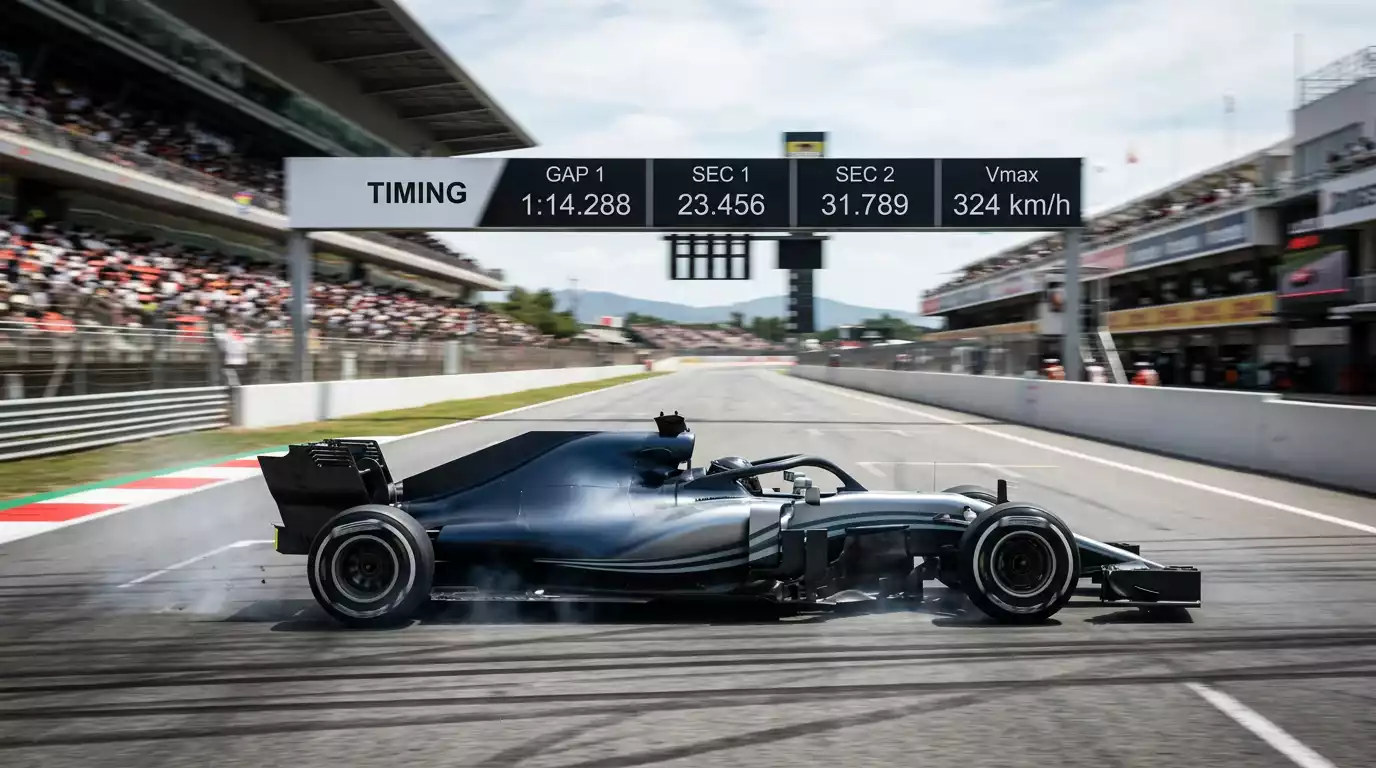
The pit straight is long enough to reward engine power, and the DRS zone into Brooklands provides genuine overtaking opportunities. But the character of the circuit overwhelmingly favours aerodynamic efficiency. Cars that generate downforce without excessive drag – a balance that varies significantly across the grid – perform disproportionately well here. When building your pre-race model, weight FP2 long-run performance through the high-speed sections more heavily than outright straight-line speed.
Track surface and tyre degradation add another layer. Silverstone’s tarmac was resurfaced in 2023, and the newer surface generates less tyre wear than the old one. Lower degradation generally favours the faster cars because strategy variation – undercuts, overcuts, alternate tyre compounds – offers fewer opportunities for slower cars to leap ahead. In a low-degradation race, the grid tends to finish closer to its qualifying order, which is a critical input for your race winner and podium finish bets.
Historical Betting Trends at the British GP
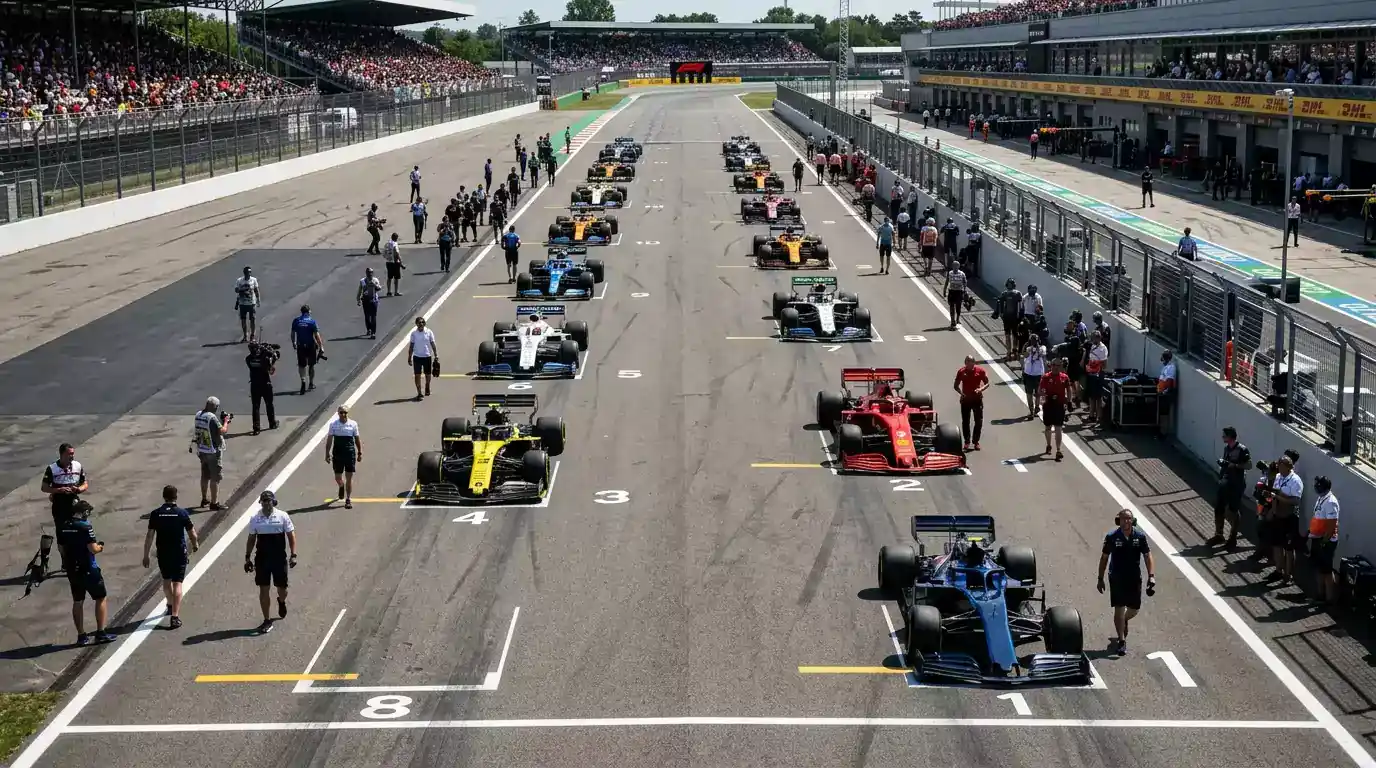
I pulled data from the past fifteen British Grands Prix and one pattern stood out immediately: the pole sitter has won nine of them. That conversion rate – 60% – is above the season average for pole-to-win conversion across all circuits, which typically sits around 45-50%. Silverstone’s combination of a long first straight (reducing first-corner vulnerability) and high-speed corners that are difficult to overtake through makes qualifying position an unusually strong predictor of race result here.
The 2025 season saw record cumulative attendance of 6.7 million fans across all 24 rounds, with 19 of 24 events selling out and 11 setting new attendance records, per the F1 Season Review. Silverstone’s half-million crowd led the way. That attendance surge has a direct betting implication: heightened public interest drives more casual money into the markets, which can create temporary price distortions that sharper bettors exploit. When the “home favourite” effect pushes a British driver’s odds shorter than their pace justifies, the remaining field becomes slightly undervalued.
Safety car frequency at Silverstone sits below the season average. The circuit’s wide run-off areas and relatively forgiving gravel traps mean incidents are less likely to require a full safety car compared to tighter venues. Over the past decade, roughly 40% of British Grands Prix have featured a safety car deployment versus a season-wide average closer to 55%. Lower safety car probability favours pre-race bets on frontrunners, because there are fewer random reshuffles of the order mid-race.
The Silverstone Weather Factor
British weather is not just a cliche, it is a genuine pricing variable. I keep a personal log of Silverstone race-day conditions going back to 2015, and in that window roughly one in three race weekends has seen rain affect at least one session. The critical distinction is when it rains. A wet qualifying session on Saturday can scramble the grid and create each-way value on midfield drivers who excelled in the rain. A wet race on Sunday is a different beast entirely, it triggers safety cars, introduces tyre-change gambles and makes the race winner market substantially more volatile.
The Northamptonshire microclimate adds unpredictability that weather forecasts handle poorly. Silverstone sits on an exposed plateau, and weather systems cross the circuit in minutes rather than hours. I have seen sunny skies at Copse and rain at Club on the same lap. This hyperlocal variation means the broader relationship between weather and F1 betting applies here with an extra layer of uncertainty, even a “dry” forecast carries residual rain risk that the odds do not always reflect.
When the forecast shows rain probability above 40%, I shift my approach entirely. The race winner market becomes less predictable, so I move capital toward markets that benefit from chaos: each-way bets on drivers with strong wet-weather records, head-to-head matchups that favour the more experienced driver, and safety car yes/no markets where the probability of deployment rises sharply in wet conditions.
Key Markets for the British Grand Prix
Jonny Haworth, F1’s Director of Commercial Partnerships, has described how the sport’s data-driven approach enables fans “not to just look at outcome betting but to use the data of the sport to be able to engage in various different in-play betting.” Silverstone, as the highest-profile UK race, receives the deepest market coverage from domestic bookmakers, making it the best race of the season for exploiting niche markets.
Race winner remains the core market, but at Silverstone the qualifying position data gives you a sharper edge than at most circuits. If the pole sitter has won 60% of recent editions, and the odds on the pole sitter post-qualifying imply only a 35-40% chance, there is a structural gap worth exploiting.
Head-to-head matchups between teammates are particularly interesting at Silverstone because the circuit’s demanding aerodynamic profile amplifies small differences in car setup. One driver might find the setup window that suits Maggotts-Becketts while their teammate does not, producing a larger-than-usual gap between teammates in the same machinery. FP3 and qualifying sector times will tell you which driver has found the setup.
Fastest lap is a market I pay special attention to at Silverstone. The low tyre degradation means drivers can push hard on ageing tyres without severe lap-time fall-off, and the long pit straight provides a slipstream effect that boosts single-lap attempts. Teams running ahead of the pack often pit their second driver late for fresh softs specifically to grab the fastest lap point, a tactical pattern that is more common at low-degradation circuits like this one. See also: Silverstone’s layout rewards bold strategies — check our F1 sprint race betting tips.
Which markets work best for betting on the British Grand Prix?
Race winner after qualifying offers the strongest historical edge at Silverstone, where pole sitters convert to wins at around 60%. Head-to-head teammate matchups also provide value because the circuit’s aerodynamic demands amplify setup differences between teammates. Fastest lap is worth monitoring too, as low tyre degradation encourages late pit stops for fresh rubber specifically to chase that market.
How does Silverstone’s weather typically affect race-day odds?
About one in three Silverstone weekends sees rain affect at least one session. Wet conditions increase safety car probability, scramble qualifying grids, and introduce tyre gambles that widen the range of possible race outcomes. When rain probability rises above 40%, the race winner market becomes more volatile, shifting value toward each-way bets and chaos-benefiting markets like safety car deployment.
Written by the editors at f1 Betting Guide.