F1 Pit Stop Betting: Strategy Windows, Undercuts and How Stops Decide Your Bet
 Available in US
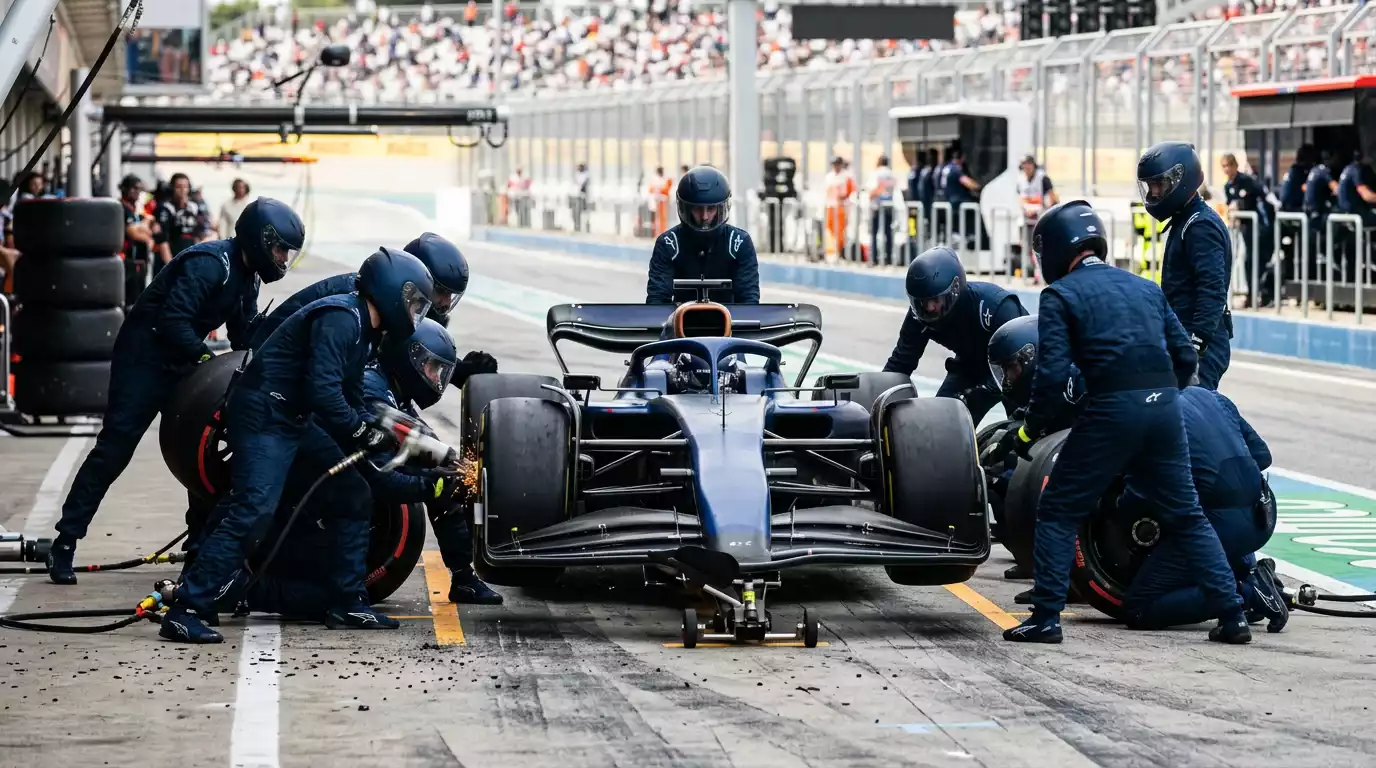
I once lost a race winner bet because a team nailed a 1.9-second pit stop while their rival fumbled a 4.3-second one. That 2.4-second difference flipped the entire race outcome – and my bet. Pit stops are the hidden variable that most bettors treat as background noise. They are not. In a sport where the margin between winning and finishing third is routinely under five seconds, pit stop execution and strategy timing determine more race outcomes than raw car speed. See also: f1 betting guide for more specialist F1 betting markets.
The Undercut and Overcut Explained for Bettors
Two words shape every F1 pit stop decision, and if you bet on races without understanding them, you are flying blind. The undercut means pitting before your rival to gain an advantage through fresh tyre performance. You come in first, bolt on new rubber, and your out-lap on grippy fresh tyres is fast enough to jump ahead of the car that stayed out on worn rubber. The overcut is the opposite – you stay out longer, benefit from a clear track and lighter fuel, and when you eventually pit, you emerge ahead because your rival’s fresh-tyre advantage has already faded.
Whether the undercut or overcut works better depends on two measurable factors: tyre degradation rate and the pit lane time loss at that circuit. High degradation plus short pit lane loss equals a powerful undercut – pitting first gains you more time on fresh tyres than you lose coming through the pit lane. Low degradation plus long pit lane loss favours the overcut because the fresh tyre advantage is small relative to the time cost of pitting. I classify every circuit into “undercut-strong” or “overcut-strong” before the weekend begins, and this classification directly affects which drivers I back.
At undercut-strong circuits – Spain, Hungary, Mexico – the driver who pits first usually gains the position. This means the team that reacts first wins the strategic battle, and reaction speed is a measurable team characteristic. Some teams consistently trigger pit stops one lap earlier than their rivals; others prefer to respond rather than initiate. I track which teams lead the pit stop timing battle and factor that aggression into my pre-race model. Sparkco.ai’s finding of a 0.95 correlation between implied probability and actual outcomes applies well to pre-race pricing, but that correlation drops during the race when pit stop strategy introduces variance the market has not priced in.
Pit Stop Execution as a Team Performance Metric
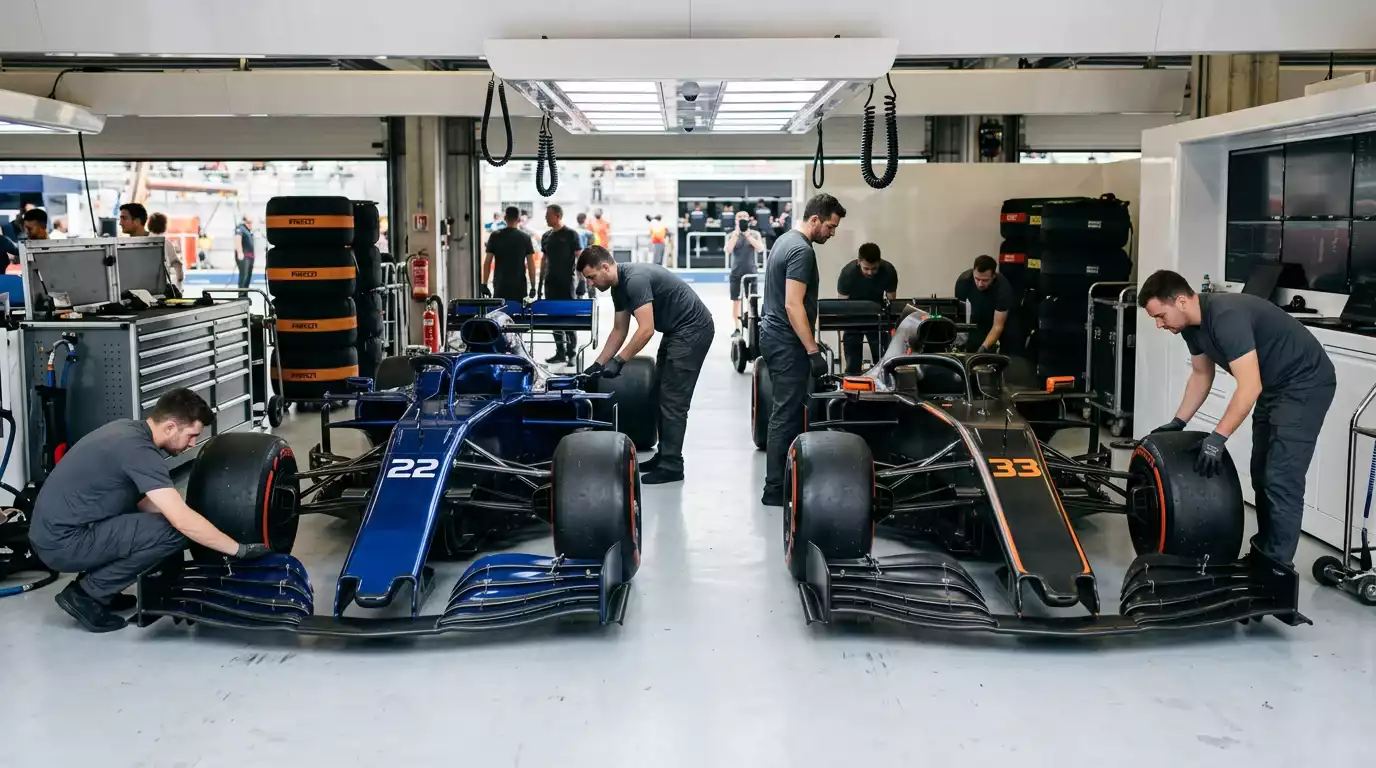
A slow pit stop can be worth a position change – and a botched one can be worth three or four. The fastest teams routinely deliver sub-two-second stops, while the slowest average closer to three seconds. Over a two-stop race, that one-second-per-stop gap amounts to two seconds of pure time loss – roughly the equivalent of two or three tenths per lap disadvantage across an entire stint. When two cars are closely matched on pace, the team with faster pit stop execution holds a quantifiable edge.
I track pit stop averages by team across the season and compare them against the grid average. Teams that consistently sit in the top three for pit stop speed – and more importantly, teams that rarely produce outlier slow stops – are worth factoring into your model. A team with a 2.1-second average but a 4% rate of stops exceeding three seconds is more reliable for betting purposes than a team with a 1.9-second average but a 12% outlier rate. The fast average looks better on paper, but the variance kills bets.
Unsafe releases and pit lane penalties are the catastrophic tail risk of pit stops. When a team releases a car before the wheel is properly attached, or a mechanic is struck, the resulting penalty, usually a five or ten-second time addition, is race-destroying. These events are rare but not random. Teams that have had recent mechanical issues, or who are running under pressure to match a rival’s strategy, show higher unsafe-release rates. If a team is chasing an aggressive undercut window and their pit crew is under maximum time pressure, the probability of a mistake rises.
Reading Pit Stop Strategy in Live Markets
Jonny Haworth’s observation that F1’s data infrastructure enables fans “not to just look at outcome betting but to use the data of the sport to be able to engage in various different in-play betting” applies perfectly to pit stop strategy. Live timing data, available through the F1 app and various telemetry services, shows tyre degradation rates in real time. When you see a driver’s lap times dropping by three tenths per lap while their rival is only losing one tenth, you know a pit stop is imminent. That moment, the lap before the stop happens, is the optimal entry point for a live bet on the driver with better tyre life.
The pit stop window, the range of laps where stopping is strategically viable, is visible from the timing screens if you know what to look for. When two drivers are battling for position and one enters the pit window while the other is still outside it, the driver with strategic flexibility holds an advantage that the live market does not always reflect. I watch for situations where a driver can pit without losing track position, a gap of more than the pit lane time loss to the car behind, because those “free” stops allow the strategist to make optimal decisions without the constraint of traffic.
Circuit-Specific Pit Stop Profiles
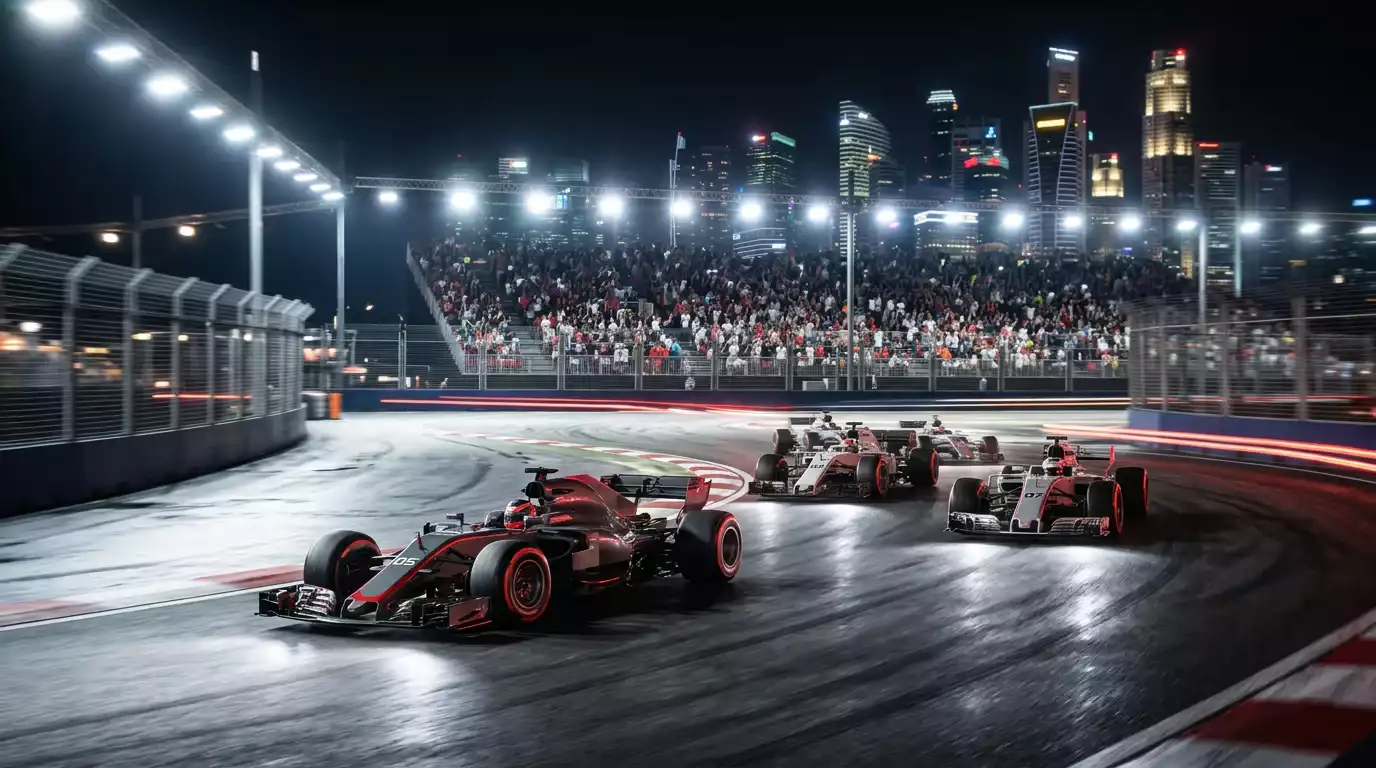
Every circuit has a pit lane time loss, the time difference between driving through the pit lane at speed limit versus staying on track. This ranges from roughly 16 seconds at circuits with short pit lanes to over 25 seconds at venues like Singapore with long, winding pit entries. That range directly affects strategy: at low-time-loss circuits, teams are more willing to make an extra stop because the cost is smaller, which means three-stop strategies become viable and the race outcome is harder to predict.
At high-time-loss circuits, the penalty for an extra stop is severe, so races tend to converge on one or two-stop strategies with little variation across the field. This predictability benefits pre-race bets because the finishing order is more likely to mirror qualifying position. The 2025 season drew 6.7 million cumulative fans to circuits worldwide, and the highest-attendance events tend to be the iconic venues. Silverstone, Monza, Spa, that also happen to have distinctive pit stop characteristics worth understanding. See also: analyse F1 team performance trends before picking your pit stop bets.
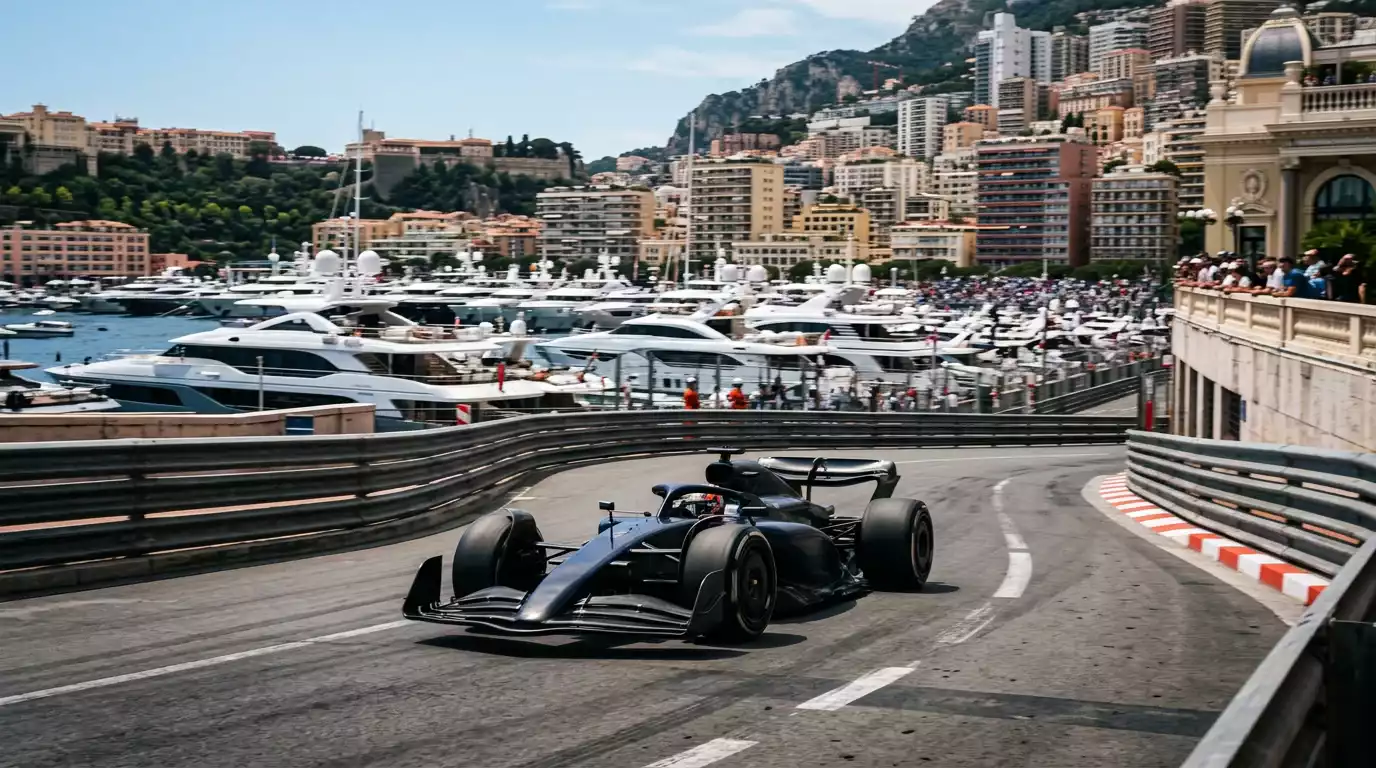
Monaco deserves its own category. The pit lane time loss is enormous relative to lap time, and overtaking on track is virtually impossible. This combination means pit stop strategy at Monaco is less about gaining positions and more about not losing them. Teams time their stops to emerge in clean air rather than behind slower traffic, which makes the timing of each stop predictable if you understand the gaps between cars. At Monaco, the driver who leads after the first round of pit stops wins the race roughly 85% of the time, a much higher conversion rate than the overall season average.
How do pit stops affect F1 betting outcomes?
Pit stops can swing race outcomes by several seconds through execution speed and strategic timing. The undercut, pitting before a rival to gain track position on fresh tyres, is the most common way pit strategy changes finishing order. A single slow stop of four seconds versus a clean two-second stop creates a gap equivalent to multiple laps of pace difference, which is often enough to change a podium position.
Can you predict pit stop strategy before the race?
The tyre degradation rate and circuit-specific pit lane time loss determine whether undercut or overcut strategies dominate. High degradation with short pit lane loss favours the undercut; low degradation with long pit lane loss favours the overcut. Pre-race tyre data from practice sessions and historical circuit patterns allow you to predict the likely strategy split before lights out.
Prepared by the f1 Betting Guide editorial staff.